Powell River Top General Contractor for Professional Remodeling
General Contractor: Your Trusted Professional for Home Projects
A general contractor performs an important role in home projects. They supervise numerous aspects of construction, making sure that operations proceed smoothly. Their expertise in construction standards and requirements enables them to work through the complexities of permits and examinations. This skilled professional acts as an essential connection between clients and trade specialists. However, many homeowners remain uncertain about the full extent of their work offerings. Understanding these details can have a major impact on the success of any renovation undertaking.
What Does a General Contractor Do?
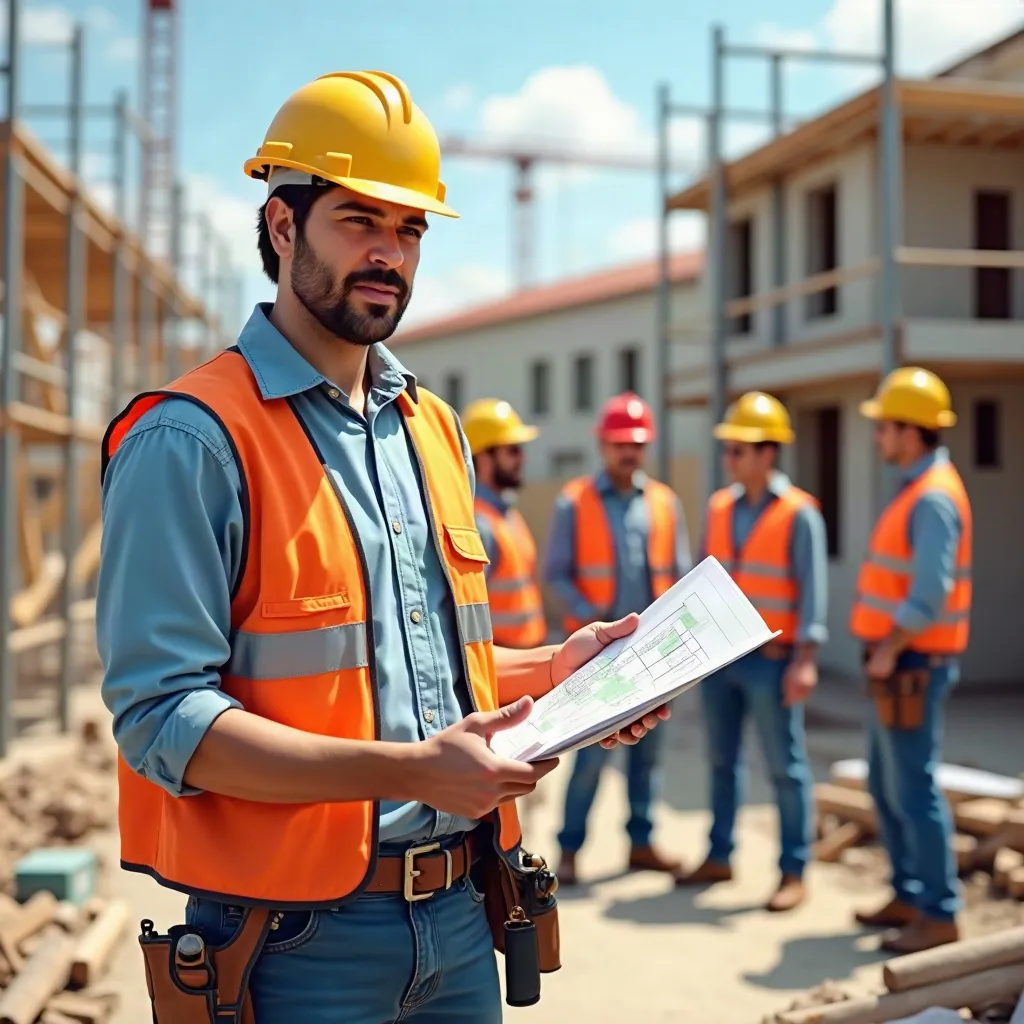
A general contractor manages the various elements of a structural project, ensuring that all operations flow without issue from opening to closing. They represent the primary point of contact, managing interactions between stakeholders, subcontractors, and suppliers. This role involves mapping out the construction calendar, arranging personnel, and ensuring adherence with municipal construction standards and ordinances.
General contractors are responsible for acquiring required licenses and arranging inspections, which are essential to maintaining safety and quality standards. They also handle budgeting, sourcing materials, and managing on-site activities to prevent any possible setbacks or complications. In addition, they supervise subcontractors, making sure that each phase of construction aligns with project specifications and timelines. Overall, a general contractor's knowledge and management abilities are crucial for delivering a successful construction project, transforming a client's vision into reality while managing multiple duties and obligations.
Advantages of Working with a General Contractor for Residential Updates
Retaining a a professional builder for residential upgrades provides numerous advantages that can substantially enhance the quality and efficiency of the project. Professional contractors offer specialized knowledge in managing projects, ensuring that timelines are met and funds are distributed efficiently. Their strong relationships with specialized contractors can lead to superior pricing and excellent craftsmanship, which ultimately benefits homeowners regarding both cost and time.
Additionally, construction professionals manage the detailed aspects of permits and inspections, curbing potential legal issues. They also provide a centralized coordinator, simplifying communication and coordination among various trades. This efficiency reduces the likelihood of misunderstandings and delays.
Moreover, their background allows them to foresee potential challenges, enabling prompt resolutions to keep the project on track. By hiring a general contractor, homeowners can prioritize their vision while enjoying peace of mind, recognizing that a professional is overseeing every aspect of the renovation.
Debunking Misconceptions About General Contractors
While many homeowners may hold misconceptions about general contractors, understanding the truths can lead to more educated decisions. One common myth is that hiring a general contractor is unnecessary for minor projects; however, their expertise can simplify even small-scale renovations, ensuring compliance with local codes. Another common belief is that general contractors are merely middlemen, but they often possess extensive knowledge in multiple areas, enabling them to oversee projects effectively. Additionally, some clients think that working with a contractor will significantly increase costs. In truth, a skilled general contractor can often secure better pricing for materials and labor due to strong relationships with suppliers and subcontractors. Finally, many believe that general contractors are inflexible, but trusted contractors prioritize client communication and collaborate closely to meet specific needs. Cleared up myths can empower homeowners to leverage the true value of general contractors in achieving effective home projects.
Selecting the Right General Contractor?
How can property owners ensure they choose the right construction professional for their undertakings? The process begins with comprehensive investigation. Property owners should seek suggestions from friends, family, and online reviews to identify potential candidates. Once a list is assembled, verifying credentials, such as licensing, bonding, and insurance, is vital to confirm legitimacy.
Next, homeowners should solicit and assess samples of previous work, focusing on work of comparable scale. Arranging consultations allows homeowners to determine suitability, addressing deadlines, finances, and goals. It's also prudent to obtain multiple quotes for comparison, providing a clear understanding of pricing.
Verifying references offers understanding of a contractor's dependability and expertise. Ultimately, relying on your gut feeling is crucial; an opening discussion can expose a contractor's communication style and approach. By following these steps, homeowners can substantially improve their odds of choosing a general contractor who suits their requirements and aspirations.
Optimal Communication Approaches When Working Alongside Your General Contractor
How might homeowners apply techniques to maintain effective communication with their general contractor? Initiating transparent discussion from the start is critical. Homeowners must clearly express their requirements, project goals, and budget constraints during preliminary talks. Consistent information can be enabled through organized conferences, guaranteeing that both parties stay in sync throughout the project.
Applying written documentation, such as project documentation and emails, strengthens spoken commitments and decreases confusion. Homeowners should likewise encourage open communication by inviting input and feedback from the contractor, establishing a cooperative setting.
In addition, tapping into technological tools, such as project management apps, can improve communication by presenting a core platform for sharing updates, timelines, and changes. Finally, acting considerate and approachable can enhance rapport, enabling it easier for the contractor to voice challenges or suggestions effectively. By utilizing these solutions, homeowners can build up a productive and forthright bond with their general contractor.
What Lies Ahead When Your Undertaking Commences?
As the project launches, homeowners can anticipate a burst of work on-site. The project manager will organize teams of skilled tradespeople, including electricians, plumbers, and carpenters, who will begin their tasks following the established timeline. Homeowners may observe equipment and supplies being brought in, creating a bustling atmosphere.
Communication remains vital during this stage. The contractor will provide updates on progress and handle any concerns that arise. Homeowners should get ready for possible disruptions, such as noise and restricted access to certain areas of the home.
Safety measures will be in place to protect both workers and residents, guaranteeing a secure setting. Additionally, homeowners may be encouraged to maintain flexibility, as unexpected problems can arise, requiring adjustments to the original plan. Overall, this initial phase sets the stage for the successful completion of the project, and active participation is essential.
Essential Questions for Your Contractor Contract?
Deciding which queries to raise when completing a general contractor agreement is important for assuring a efficient project. Homeowners should check about the contractor's permit and coverage to verify their credentials and protection against risks. Understanding the project timeline and milestones is crucial; therefore, asking about expected completion dates helps manage expectations.
It is also essential to outline payment terms, comprising initial payments and installment plans, to sidestep misunderstandings. Residents should seek a thorough accounting of costs, embracing materials and labor, to assure openness. Moreover, deliberating the process for dealing with adjustments or unexpected complications can circumvent useful tips conflicts afterwards.
Lastly, homeowners should seek information about the qualifications of subcontractors, as well as the communication approach of the contractor throughout the project. By addressing these questions, homeowners can foster a productive relationship with their primary contractor, ultimately leading to a successful home project.
Frequently Asked Questions
How Do General Contractors Set Their Charges for Services?
Contractors generally collect fees via flat fees, hourly pricing, or a share of the complete project budget. Their rates may additionally encompass resources, workforce costs, and overhead, relative to the scope and difficulty of the work.
Can a General Contractor Support With Documentation and Inspections?
Yes, a general contractor can assist with securing permits and managing inspections. They typically navigate local codes and ensure compliance, streamlining the process for homeowners while providing necessary approvals throughout the construction project.
What Qualities Should I Locate in a General Contractor?
When designating a general contractor, one should evaluate qualifications such as current licensing, suitable insurance, experience in relevant projects, positive references, and effective communication skills, ensuring they possess the vital expertise to manage the project successfully.
How Much Time Does a Standard Home Renovation Job Need?
A common home remodeling job can last anywhere from a few weeks to several months, contingent upon the breadth, difficulty, and size of the project, as well as the supply of materials and labor.
What Occurs if My Project Exceeds Budget?
If a project goes over budget, the contractor typically discusses the causes and alternatives with the homeowner. Changes may consist of reducing scope, seeking additional funding, or revising the project scope to match budget constraints.